
Planning Guide
A useful estimate explains the roof problem and the complete scope
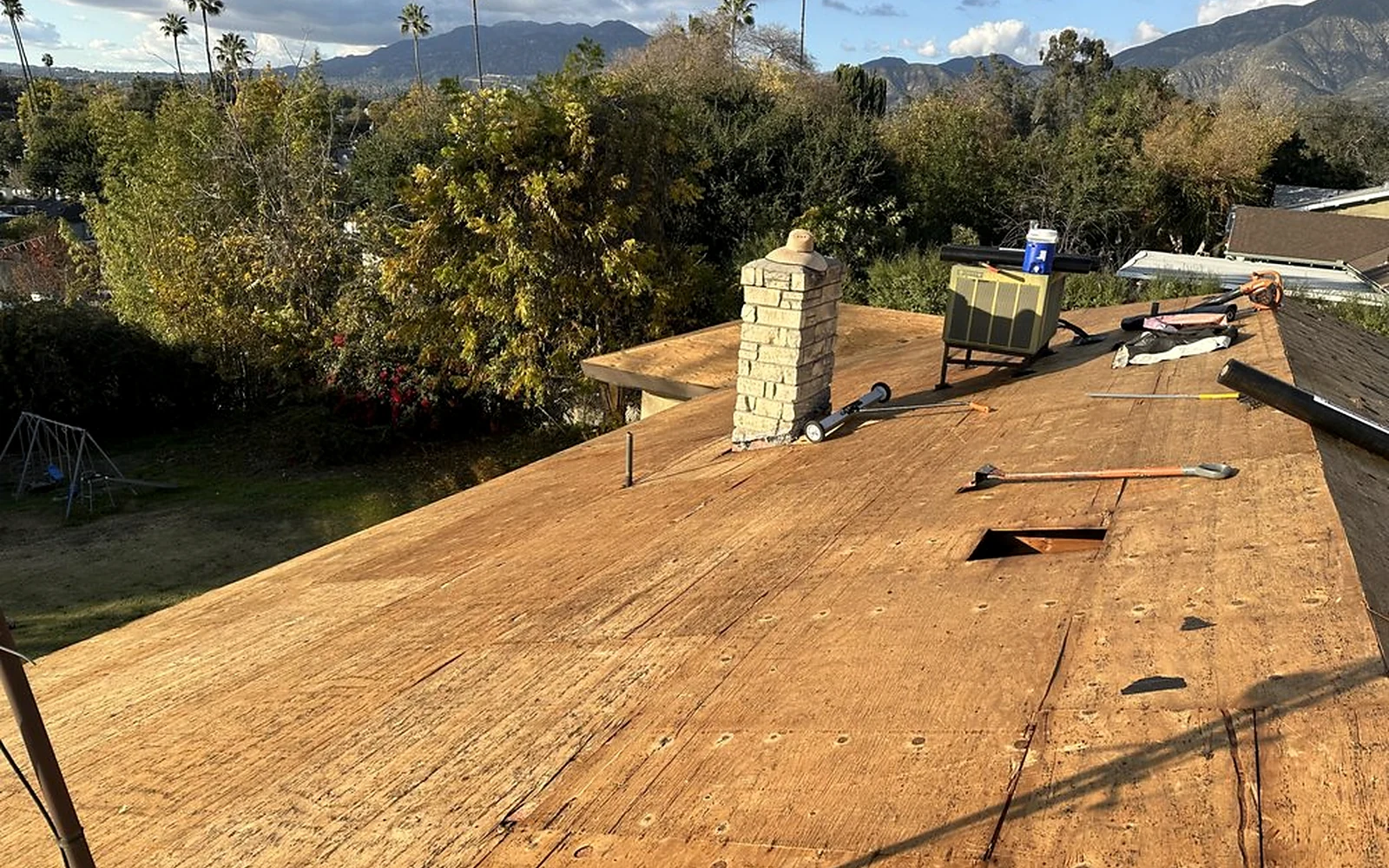
A useful replacement estimate should explain tear-off, decking allowances, underlayment, flashing, ventilation, materials, disposal, protection, scheduling, and closeout. This guide explains the conditions a Los Angeles-area owner can observe safely, what a roofing professional needs to verify, and how those findings shape a clear roof replacement scope.
Repeated leaks in different areas
Start with the visible condition and when it changes.
Tear-off or overlay review
Connect the symptom to the surrounding roof assembly.
Compare proposals using the same scope
Choose the next roof replacement step from documented findings.
Scope Checklist
Work items the proposal should address
- Tear-off or overlay review
- Decking and ventilation evaluation
- Underlayment and flashing plan
- Material selection and color guidance
- Cleanup, disposal, and final walkthrough
- Property access and protection
- Removal, disposal, cleanup, and walkthrough
- Material compatibility and manufacturer requirements
Decision Path
How a roof replacement question becomes a clear scope
This is a planning flow, not a performance score. Each step narrows uncertainty before work is approved.
Document what exists and what is failing
Define materials and connected details
Plan access, protection, and cleanup
Compare complete scopes line by line
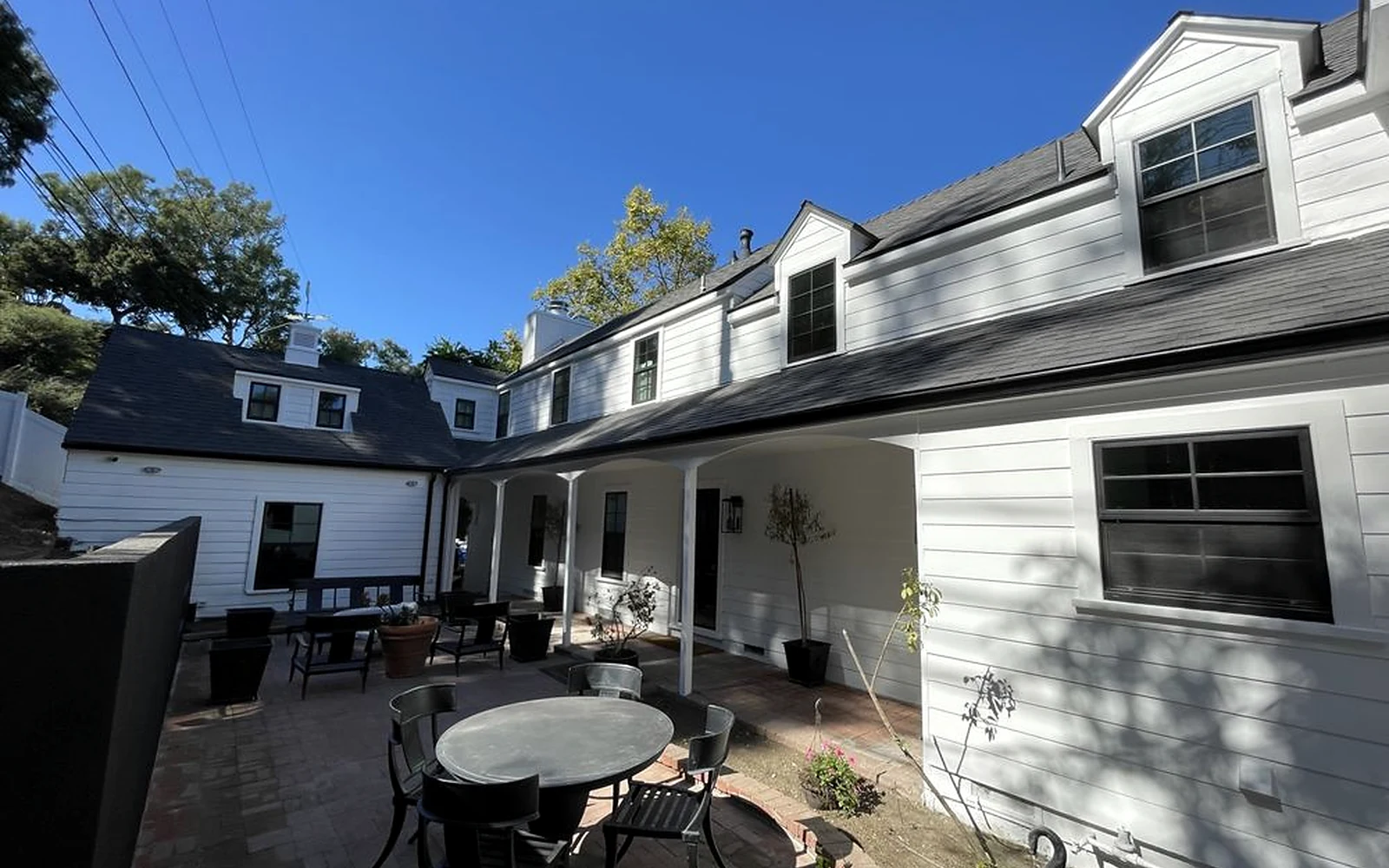
Completed architectural shingle roof on a documented Sky Shield Roofing project in Studio City. The surrounding details matter because a durable recommendation must work with the complete roof assembly.
Scope Drivers
Why two estimates can differ without using the same scope
Extent and substrate
Area size, hidden moisture, decking or substrate, and prior repairs can change preparation and material needs.
Edges and penetrations
Valleys, walls, curbs, drains, skylights, vents, transitions, and flashing often require more labor than open roof field.
Access and protection
Height, slope, parking, staging, occupied spaces, landscaping, neighbors, removal, and cleanup affect project planning.
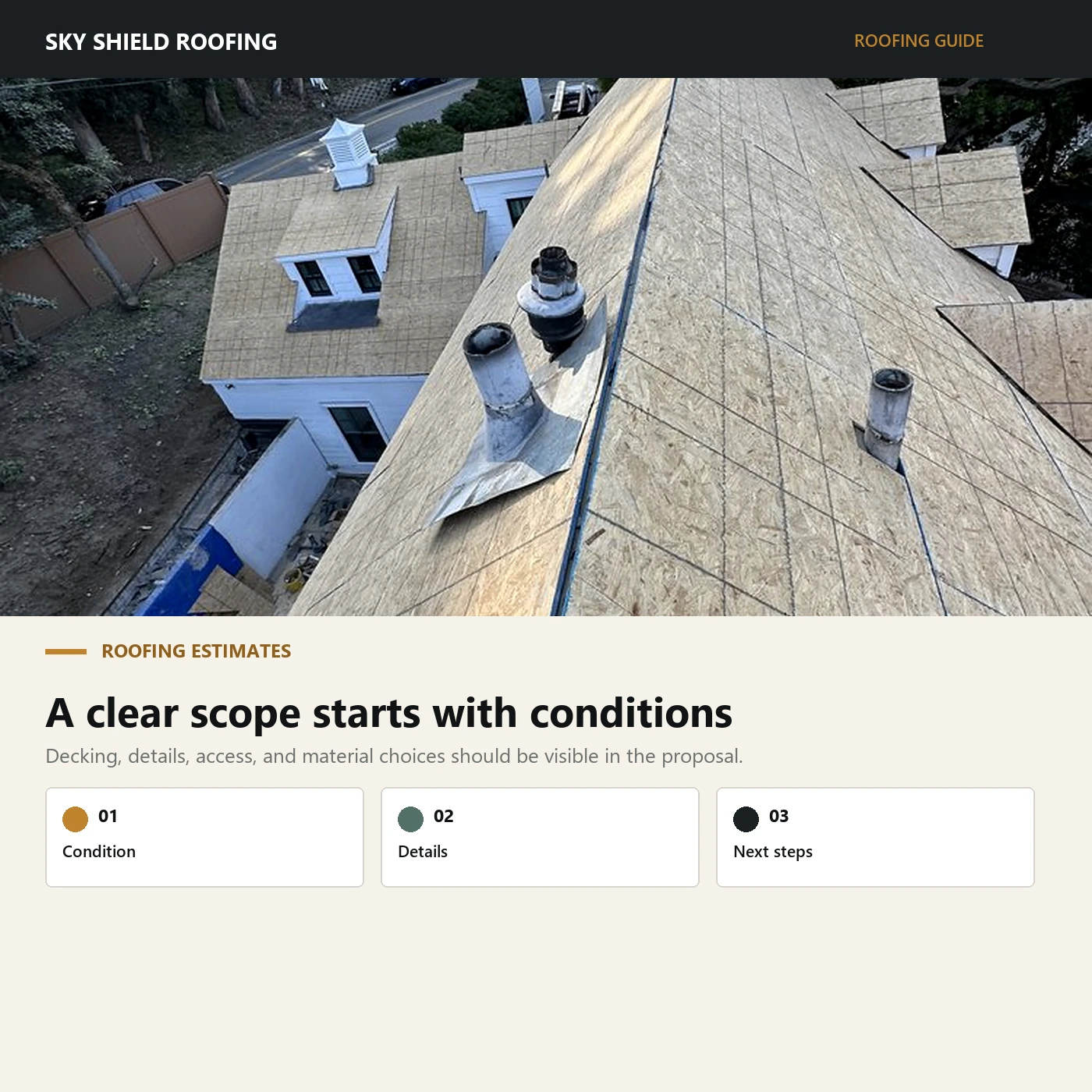
See the connected system
A useful estimate connects observed conditions to materials, details, logistics, and the next decision.
Compare Proposals
Make sure you are comparing the same work
- Same repair or replacement limits
- Same material and assembly assumptions
- Same flashing, edge, drainage, and penetration details
- Same protection, disposal, cleanup, and closeout
- Clear allowances for hidden conditions and required approvals
Material Fit
The assembly matters more than one product name
Replacement planning accounts for heat, UV exposure, wind, slope, drainage, and the architectural style of the home. The right system is selected for performance, not only curb appeal. A replacement decision should connect visible wear with underlayment, decking, flashing, ventilation, and repeat leak history.
Before And After The Review
A better decision is the first transformation.
Before scopes are aligned
Two proposals look similar even when their assumptions and limits differ.
After line-by-line comparison
Materials, details, access, protection, hidden conditions, and closeout can be compared fairly.
Common Questions
Questions to resolve before choosing the scope
Can this roof replacement concern be handled with focused work?
Possibly. A focused scope depends on whether the surrounding material, attachment, waterproofing, substrate, and connected details can support a reliable tie-in. The visible symptom alone is not enough to make that decision.
What findings could make the project broader?
Repeated symptoms, brittle or incompatible materials, moisture below the surface, damaged decking or substrate, failed transitions, poor drainage, or several weak areas can change both the recommended limits and the project sequence.
What information should I provide when requesting an estimate?
Share the property city, known roof type and age, where the symptom is visible, when it began, how weather affects it, prior repairs, safe photos, access constraints, and any sale, insurance, tenant, or scheduling deadline.
How do Los Angeles conditions affect roof replacement decisions?
Los Angeles sun, attic heat, roof complexity, and mixed additions can shorten the useful life of weak details even when the main material still looks acceptable. A replacement decision should connect visible wear with underlayment, decking, flashing, ventilation, and repeat leak history.
What should be documented after the work?
Keep the approved scope, material information, photos when available, written changes, cleanup or closeout notes, maintenance guidance, and the contractor or manufacturer warranty documents that apply to the completed work.
Decision Takeaway
A useful recommendation should leave fewer unanswered questions
Before approving work, you should understand the observed condition, the intended result, the limits of the scope, the materials being tied together, the details at edges and penetrations, how hidden conditions will be handled, and what happens during cleanup and closeout.
That comparison matters when proposals use different area limits or assumptions. Ask each contractor to identify what remains, what changes, how new work ties into the existing roof, and which conditions would require written approval before the scope or price changes.
- Observed condition and likely water path
- Repair or replacement limits with a reason for each
- Material, flashing, drainage, and attachment details
- Property protection, access, schedule, and cleanup
- Maintenance guidance and the next review point
Local Planning
How Los Angeles conditions affect the recommendation
Los Angeles sun, attic heat, roof complexity, and mixed additions can shorten the useful life of weak details even when the main material still looks acceptable. Replacement planning accounts for heat, UV exposure, wind, slope, drainage, and the architectural style of the home. The right system is selected for performance, not only curb appeal.
A replacement decision should connect visible wear with underlayment, decking, flashing, ventilation, and repeat leak history. The recommendation should explain how the proposed work addresses those connected conditions rather than treating one visible symptom in isolation.
Next Step
Get a condition-based roof replacement recommendation
Describe what you are seeing, when it started, and the city where the property is located. Sky Shield Roofing can help you plan the appropriate inspection or estimate.