Before the roof inspection
Bring the right evidence to the repair-or-replace conversation.
A roof’s age or one ceiling stain cannot settle the decision on its own. Use this checklist to organize what you know, identify what a roofer needs to inspect, and leave the visit with a clear next step. This is a preparation guide for Los Angeles-area homeowners; the recommendation depends on the roof’s condition.
1. Record when and where the problem appears.
Note the room, ceiling or wall area, first occurrence, and whether the stain follows every rain or only wind-driven rain. If several areas are affected, record them separately. Safely taken indoor photographs and the dates of visible changes can help explain the history.
Water can travel before appearing inside. The stain’s position is a starting point for inspection, not proof of the roof entry point. See the roof leak warning signs guide for other symptoms to mention.
2. Gather the repair and installation history.
Collect any available installation paperwork, prior repair scopes, warranties, and roof photographs. Explain whether a patch helped temporarily, whether the leak moved, and whether equipment, skylights, or solar work preceded the problem. If the roof’s age or material is unknown, say so rather than guessing.
3. Identify the roof areas that need review.
A home may have a pitched main roof, a flat addition, and a separate garage. Tell the roofer which structures and areas are involved. Ask the inspection to consider flashing, penetrations, valleys, roof edges, gutters, and discharge routes alongside the visible covering.
For tile roofs, discuss the underlayment and flashing as well as cracked or slipped tiles. For shingle roofs, ask about the condition of the materials surrounding the repair. For low-slope roofs, include drainage and signs of trapped moisture in the discussion.
4. Ask what makes a targeted repair practical.
- Is the problem localized, and has the likely water path been identified?
- Can the repair connect to sound surrounding roofing, underlayment, and decking?
- Are compatible replacement materials available?
- Does the proposed work address the cause as well as the visible damage?
- What conditions could be discovered only after the area is opened?
A focused repair needs a defined boundary. Ask for photos or a marked description of that area and an explanation of the findings outside it.
5. Ask what evidence supports replacement.
Repeated leaks, widespread material deterioration, or damage extending beyond a workable repair area can change the recommendation. Ask the roofer to explain the findings and distinguish confirmed conditions from assumptions about concealed areas.
If replacement is proposed, discuss tear-off, deck review, underlayment, flashing, ventilation, roof edges, material selection, property protection, and cleanup. A finished material choice is only one part of the scope.
6. Leave with a documented next step.
Ask which work is urgent, which can be planned, and which conditions should be monitored. The written recommendation should state repair limits, exclusions, allowances, and how any additional work will be approved. Confirm the scope and any inspection fee before scheduling a specialized report or certification.
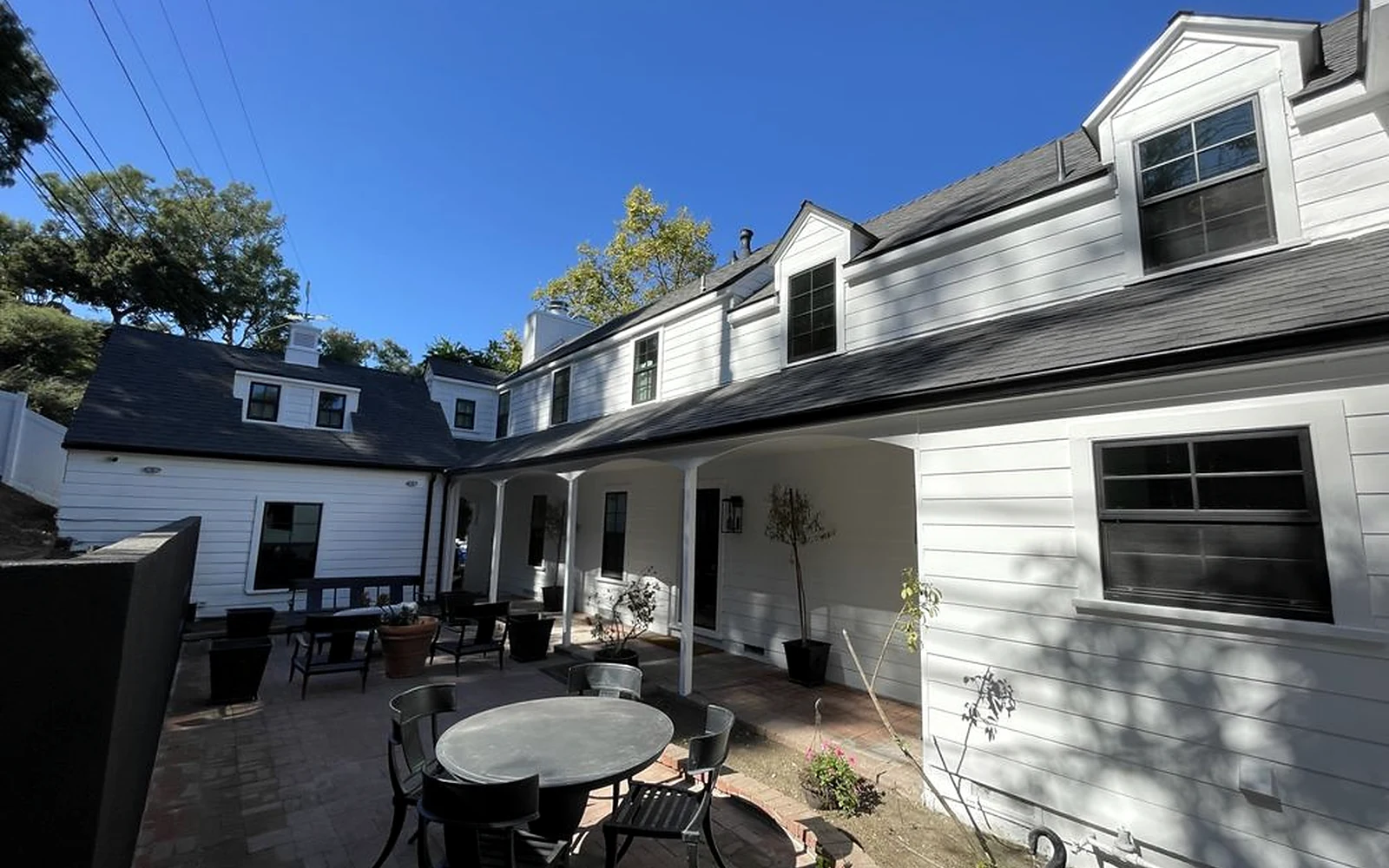
Once you have proposals, use our repair versus replacement scope comparison to compare what each includes. You can also review documented Coldwater Canyon replacement photos.
Arrange a roof assessment.
Tell Sky Shield Roofing the property city, visible symptoms, previous repairs, and access limits. Request an estimate or call 888-331-3460. Office hours are Monday–Friday, 8:30 a.m.–5:30 p.m. Pacific; closed weekends. Urgent service timing depends on availability.